
As homes in Gloucester Township and the Tri-State area continue to add modern conveniences like larger air conditioning systems, electric vehicle chargers, home offices, smart technology, and high-powered appliances, older electrical panels are often being asked to handle more demand than they were originally designed for.
It’s also easy to mistake some of the signs that your panel needs to be replaced for other common electrical issues. While panels generally last for a long time (between 25 and 35 years or longer), they do have a finite lifespan and a limited capacity.
If your electrical panel is struggling to keep up, the warning signs may start small. Recognizing them early can help you avoid inconvenience, improve safety, and determine whether it’s time to consider an electrical panel upgrade.
What Does an Electrical Panel Actually Do?
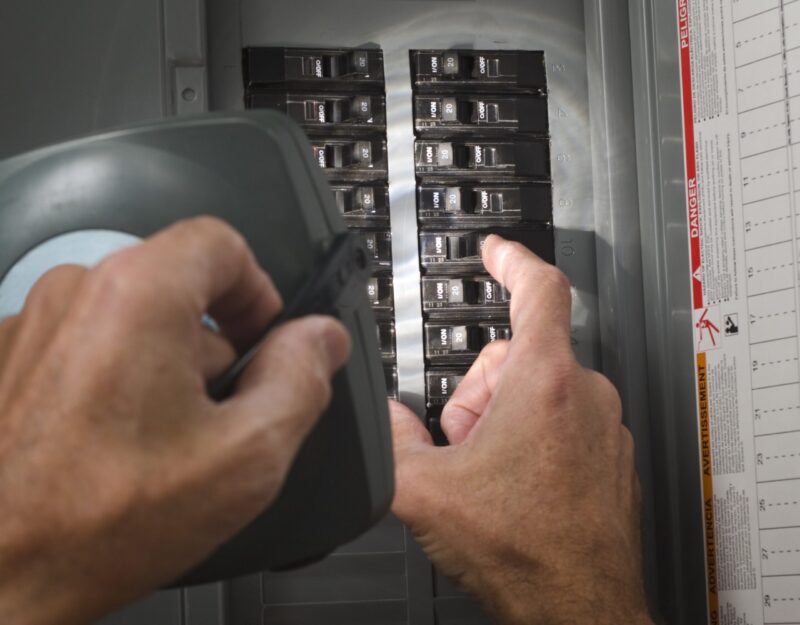
Your electrical panel acts as the control center for your home’s electrical system. It receives power from the utility company and safely distributes that electricity throughout the house.
Inside the panel, circuit breakers monitor electrical flow and shut off power when a circuit becomes overloaded. This helps protect wiring and electrical components from excessive heat and potential damage.
When the panel becomes outdated, damaged, overloaded, or undersized for your home’s needs, problems can begin to develop that ripple throughout your entire electrical system.
1. Circuit Breakers Trip Frequently
An occasional breaker trip is not unusual. Circuit breakers are designed to shut off power when a circuit becomes overloaded.
However, if breakers trip regularly during normal use, your panel may be struggling to handle the electrical demands placed on it.
Frequent tripping often indicates that circuits are overloaded, the panel is near capacity, or internal components are beginning to wear out. If your panel isn’t old enough to be at the end of its lifespan, tripping breakers are often due to it being overloaded. In these cases, replacing it with a higher-capacity panel is the best solution.
You may also be able to add a subpanel to expand capacity, or use circuit splitters. These temporarily toggle power between different equipment so that multiple high-draw appliances don’t all turn on at the same time when the system is at capacity.
2. Your Home Still Uses a Fuse Box
If your home still relies on a fuse box instead of a modern breaker panel, it may be time to consider an upgrade.
Fuse boxes were common in older homes but were designed for a much different era of electrical consumption. Today’s households typically use far more electricity than these systems were intended to handle.
3. Lights Flicker or Dim Unexpectedly
Do your lights dim when the air conditioner starts, or when you turn on an entertainment system? While there can be several causes of flickering lighting, an aging or overloaded electrical panel is one possibility.
When the panel struggles to distribute power consistently, you may notice fluctuations throughout the home. This can lead to appliance damage and premature wear and tear on your system.
4. You Smell Burning or Notice Heat Around the Panel
Your electrical panel should not produce burning odors or feel unusually warm. If you notice these signs, there is a risk of an electrical fire, so you should call a local electrician right away.
Heat is often a sign that electrical components are experiencing excessive resistance or that connections have become loose. In some cases, overheating may indicate damage inside the panel itself.
- Burning odors near the panel
- Warm or hot breaker covers
- Discoloration around breakers
- Scorch marks or melted plastic
- Buzzing sounds from the panel
These symptoms should be evaluated by a professional as soon as possible.
5. Your Panel Is More Than 25 Years Old
Age alone does not automatically mean a panel must be replaced. However, older electrical panels are more likely to experience wear, corrosion, and capacity limitations.
If your panel is more than two decades old, it probably wasn’t designed with modern electrical loads in mind. An inspection can help determine whether the panel remains appropriate for your home and lifestyle.
6. You’re Planning Home Upgrades
Many homeowners discover they need a panel upgrade when planning a renovation or adding new high-draw appliances.
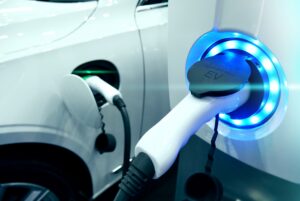
- Electric vehicle chargers
- Hot tubs
- New additions
- Finished basements
- Workshop equipment
- New HVAC systems
- Kitchen or bathroom remodels
If your panel lacks enough capacity, adding these loads may not be possible without an upgrade.
7. Certain Breaker Brands Have Known Safety Concerns
Some older electrical panels have developed reputations for reliability and safety issues. Certain models may fail to trip properly when an overload occurs, increasing the risk of a shock or electrical fire.
Check your panel to see if it was made by Zinsco, Sylvania, Challenger Electrical Equipment, or Federal Pacific Electric. These brands were popular in homes built between the 1950s and about 1990. If your home contains an older panel from one of these manufacturers with known concerns, a professional electrician may recommend replacement even if no active problems are currently visible.
Replacing a panel from one of these brands could also prevent a headache if you decide to sell your house. Thanks to the much-improved safety of modern panels, upgrading could even lower your homeowner’s insurance premiums.
8. You Rely on Extension Cords Everywhere
If you’re constantly using power strips, extension cords, or adapters because there are not enough circuits or outlets available, your electrical system may be struggling to meet your needs.
While this does not automatically mean the panel needs replacement, it often signals that the home’s electrical infrastructure was designed for a different level of usage.
A reputable electrical services provider can inspect your system to determine whether the panel and circuits remain adequate for your needs. A new panel with higher capacity also prepares your system to be able to handle additional outlets that can safely accommodate whatever you end up plugging into them.
9. Your Panel Shows Signs of Corrosion or Physical Damage
Moisture is one of the biggest threats to electrical systems. Corrosion inside a panel can affect breaker reliability, electrical connections, and safety. Physical damage can also compromise safety.
- Rust inside the panel
- Water stains nearby
- Corroded breakers
- Damaged panel covers
- Visible deterioration
These issues often indicate that you should consider calling for electrical panel replacement before more significant problems develop.
Repair or Replace: How Do You Know Which Makes Sense?
Not every electrical problem requires a complete panel replacement. In some situations, individual breakers, wiring connections, or other components can be repaired effectively.
Replacement generally becomes the more practical option when the panel is outdated, doesn’t have enough capacity, shows signs of deterioration, or is limiting electrical upgrades.
A professional inspection can help determine whether repairs are enough, or if replacement is a better long-term solution.
Schedule an Electrical Panel Evaluation in Gloucester Township
If you’ve noticed any of the signs above, now is a good time to have your panel evaluated. Early intervention can help prevent larger issues down the road.
At Instant Services, we help homeowners throughout Gloucester Township and the Tri-State area assess their electrical systems, identify potential concerns, and determine whether panel repairs or replacement make the most sense. Our team provides professional electrical services designed for safety, reliability, and the growing electrical demands of modern homes.
Schedule an inspection with Instant Services today to find out whether an electrical panel upgrade is the right choice for your home.