

For many homeowners across New Jersey, Pennsylvania, and Delaware, spring doesn’t just bring warmer weather. It also marks the start of allergy season. Tree pollen, grass pollen, and other airborne particles can quickly make their way indoors, creating an ongoing battle for anyone trying to maintain a comfortable home environment.
While you can’t control what’s happening outside, your HVAC system can play an important role in reducing the amount of pollen circulating throughout your home. From routine maintenance to indoor air quality upgrades, there are several ways to help your system perform more effectively during allergy season.

Why Pollen Is Such a Challenge in the Tri-State Area
The Tri-State Area experiences distinct seasonal changes, and each season brings its own set of airborne allergens. Tree pollen often appears early in the spring, followed by grass pollen as temperatures rise. Later in the year, weeds can become another source of irritation.
Because allergy season can stretch across several months, homeowners often spend a significant amount of time relying on their HVAC systems to maintain indoor comfort. Even when windows remain closed, pollen can still enter the home through doors, clothing, pets, and everyday foot traffic.
Once those particles are indoors, your HVAC system becomes one of the primary tools for managing indoor air quality.
Quick Ways to Help Reduce Pollen Inside Your Home
If you’re looking for ways to limit pollen indoors, these steps can make a difference:
- Replace HVAC filters regularly during allergy season
- Schedule seasonal HVAC maintenance
- Keep windows closed on high-pollen days
- Consider indoor air quality upgrades
- Make sure vents and registers remain unobstructed
While these measures won’t completely eliminate pollen, they can help reduce the amount of airborne debris circulating through your home.
How Your HVAC System Affects Indoor Air Quality
Many homeowners think of their HVAC system primarily as heating and cooling equipment. In reality, it also functions as a large-scale air circulation system.
Every time your system turns on, air moves through return ducts, passes through a filter, and is redistributed throughout the home. If the system is operating efficiently and the filter is in good condition, some airborne particles can be captured before they continue circulating.
However, when filters become clogged or maintenance is neglected, the system may struggle to perform at its best. Restricted airflow can affect comfort levels, reduce efficiency, and limit the system’s ability to support good indoor air quality.
That’s why allergy season is often a good reminder to evaluate the condition of your HVAC equipment.
HVAC Filters Are Your First Line of Defense Against Pollen
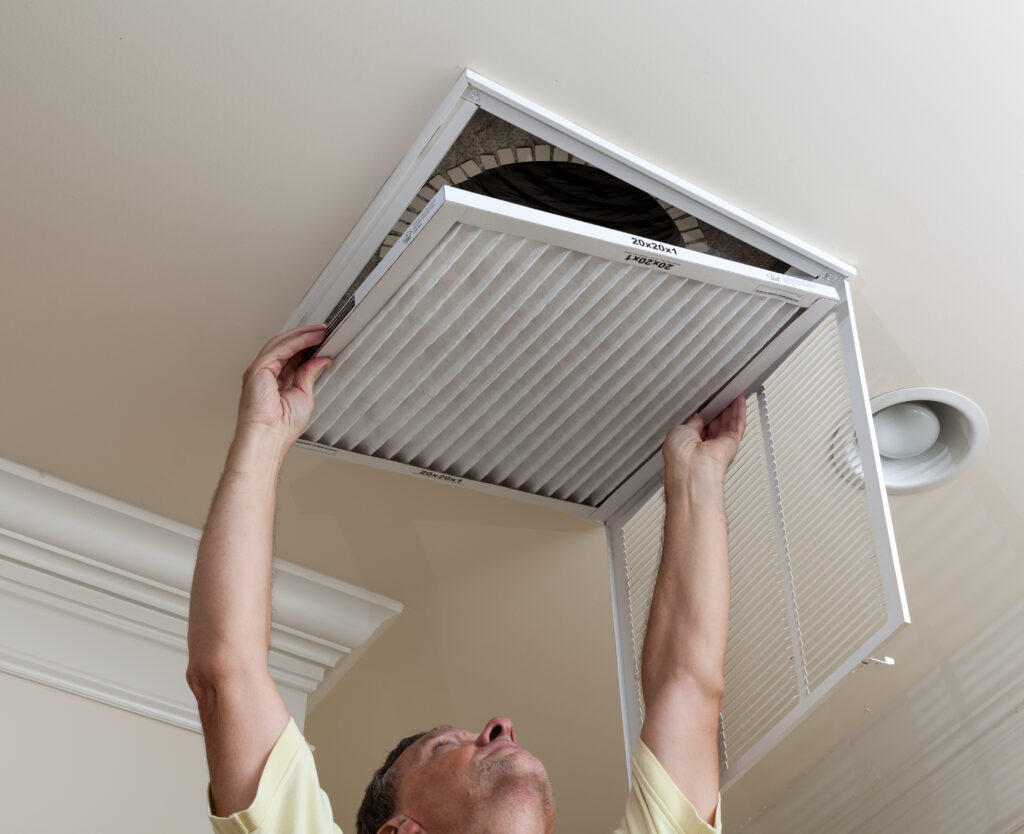
If there is one component that deserves extra attention during allergy season, it’s the air filter.
As air passes through the HVAC system, the filter captures dust, pollen, and other airborne particles. Over time, those contaminants accumulate within the filter media. Eventually, the filter becomes less effective, and airflow may begin to suffer.
Many homeowners don’t realize how quickly filters can become loaded during periods of heavy pollen activity. A filter that looked clean a few weeks ago may already be collecting a substantial amount of debris.
Checking filters regularly during allergy season can help ensure your system continues operating efficiently. If you’re unsure which filter is appropriate for your equipment, a qualified HVAC technician can help evaluate your options and recommend a solution that balances filtration and airflow.
Why Spring HVAC Maintenance Matters During Allergy Season
Spring is one of the busiest times of the year for HVAC systems. As temperatures begin to rise, air conditioning equipment often transitions from occasional use to daily operation.
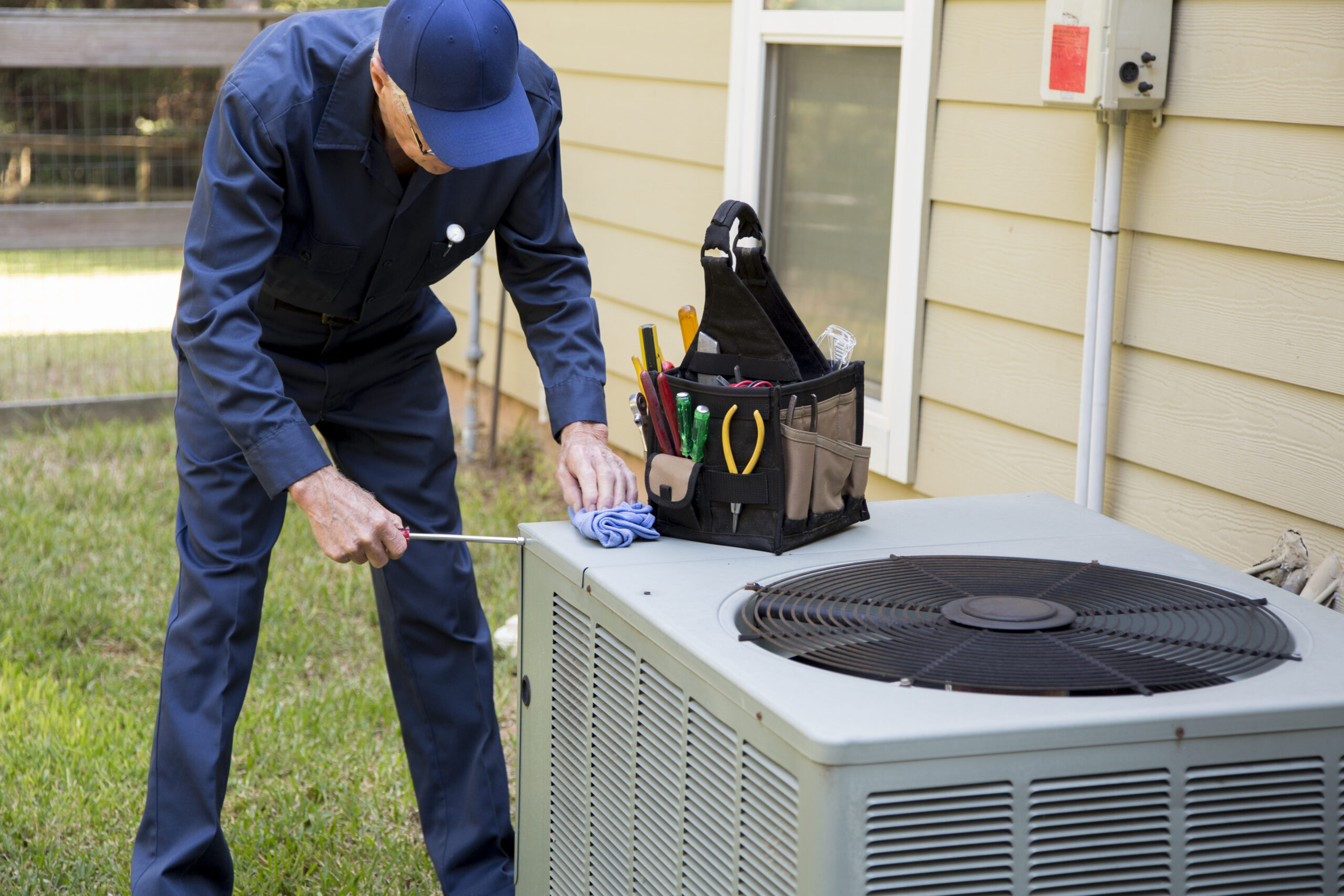
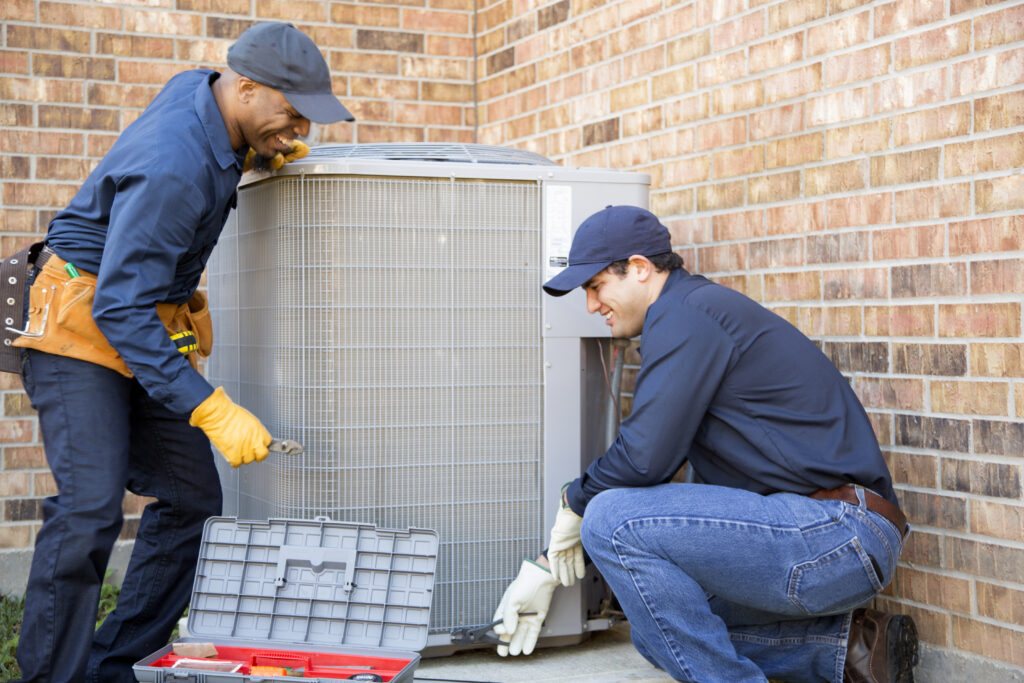
Scheduling air conditioning maintenance services before peak cooling season can help identify issues that may affect performance. During a maintenance visit, technicians can inspect critical components, evaluate airflow, and help ensure the system is operating as intended.
Routine maintenance also provides an opportunity to address concerns that may contribute to poor indoor air quality. Small issues are often easier and less expensive to correct before they become larger problems.
For homeowners throughout the Tri-State Area, spring maintenance can help prepare HVAC systems for months of increased use.
Indoor Air Quality Upgrades That Can Help Reduce Airborne Allergens
For households particularly concerned about allergens, standard filtration may only be part of the solution.
Modern HVAC systems can often be paired with additional technologies designed to support cleaner indoor air. Depending on the home’s needs, these upgrades may help reduce airborne particles and improve overall indoor comfort.
Popular indoor air quality solutions may include enhanced filtration systems, whole-home air purification technologies, and other equipment designed to work alongside existing HVAC systems.
The right approach depends on several factors, including the size of the home, the existing HVAC equipment, and the specific indoor air quality concerns being addressed.
A professional assessment can help determine which solutions make the most sense for your property.
Signs Your HVAC System May Be Struggling During Allergy Season
Not every indoor air quality issue is immediately obvious. In some cases, your HVAC system may show subtle signs that it’s having difficulty keeping up.
You may notice excessive dust accumulation around vents, uneven airflow throughout the home, or rooms that feel less comfortable than they should. Higher-than-expected energy bills can also indicate that the system is working harder than necessary.
Another common warning sign is a filter that appears unusually dirty shortly after replacement. While some buildup is expected during allergy season, excessive accumulation may suggest the system could benefit from inspection or maintenance.
If your HVAC equipment hasn’t been serviced recently, allergy season can be a good time to schedule a professional evaluation.
Professional HVAC Services in the Tri-State Area
Managing pollen inside the home often requires more than simply replacing an air filter. Proper maintenance, healthy airflow, and the right indoor air quality solutions all contribute to a more effective HVAC system.
Instant Services helps homeowners throughout the Tri-State Area maintain comfortable indoor environments with professional HVAC maintenance, indoor air quality services, and system evaluations. Whether you’re preparing for allergy season or looking for ways to improve year-round comfort, our team can help identify solutions that fit your home’s needs.
Ready to prepare your HVAC system for allergy season? Contact Instant Services today to schedule service and learn more about improving indoor air quality in your home.
HVAC and Pollen FAQs
How Often Should I Change My HVAC Filter During Allergy Season?
The ideal schedule depends on factors such as filter type, system usage, and indoor conditions. During periods of heavy pollen activity, it’s a good idea to check your filter more frequently and replace it when recommended by the manufacturer.
Can An HVAC System Help Reduce Pollen Indoors?
Yes. HVAC systems circulate air through filters that can capture a portion of airborne particles, including pollen. Proper maintenance and filtration are important for maximizing effectiveness.
What Type Of HVAC Filter Is Best For Pollen?
The best filter depends on your specific HVAC system and indoor air quality goals. Higher-efficiency filters may capture smaller particles, but it’s important to use a filter that is compatible with your equipment.
Is Spring A Good Time For HVAC Maintenance?
Absolutely. Spring maintenance allows technicians to inspect and prepare the system before summer cooling demands increase, helping support both comfort and system performance throughout the season.