

If you’re considering a new water heater for your home, you may be wondering whether a tankless water heater or a traditional water heater is the better choice. The answer depends on your hot water needs, energy efficiency goals, and long-term plans for your home.
Both systems can provide reliable hot water when professionally installed and maintained. A traditional water heater offers a familiar, cost-effective solution for many households, while a tankless water heater provides on-demand hot water and improved energy efficiency.
Understanding the differences can help you make an informed decision before scheduling a water heater installation.
Tankless vs. Traditional Water Heaters: What’s the Difference?
The biggest difference between these systems is how they heat and store water.
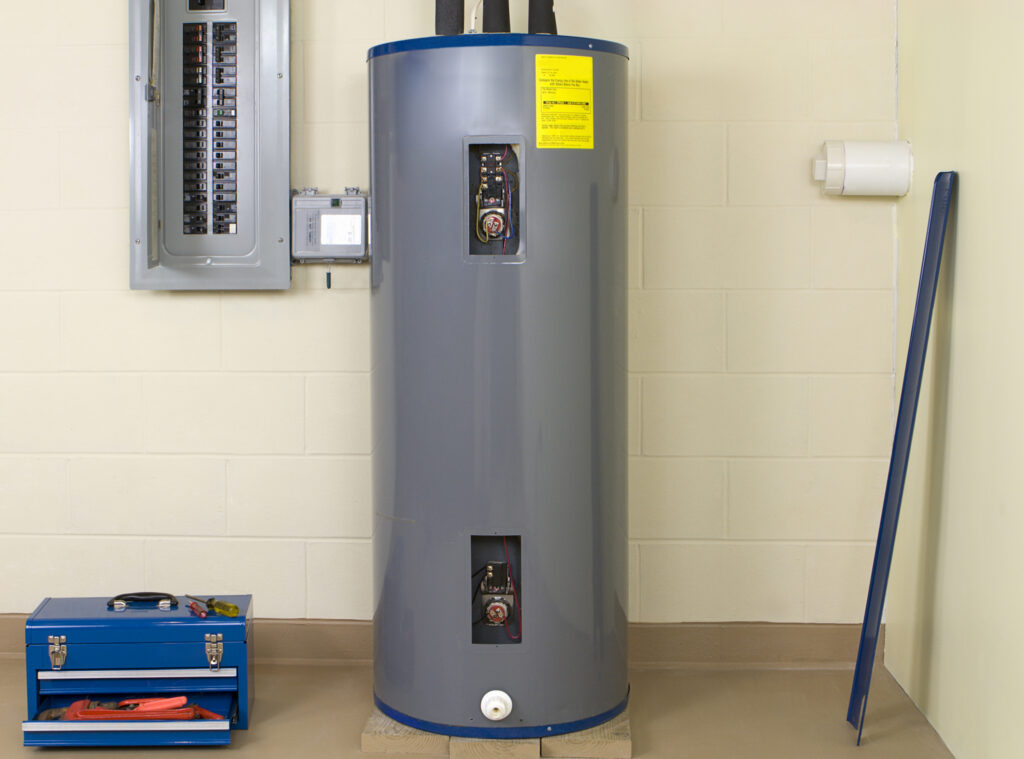
A traditional water heater uses a storage tank that continuously heats and stores hot water. When you turn on a faucet, hot water is drawn from the tank and replaced with cold water that is then heated for future use.
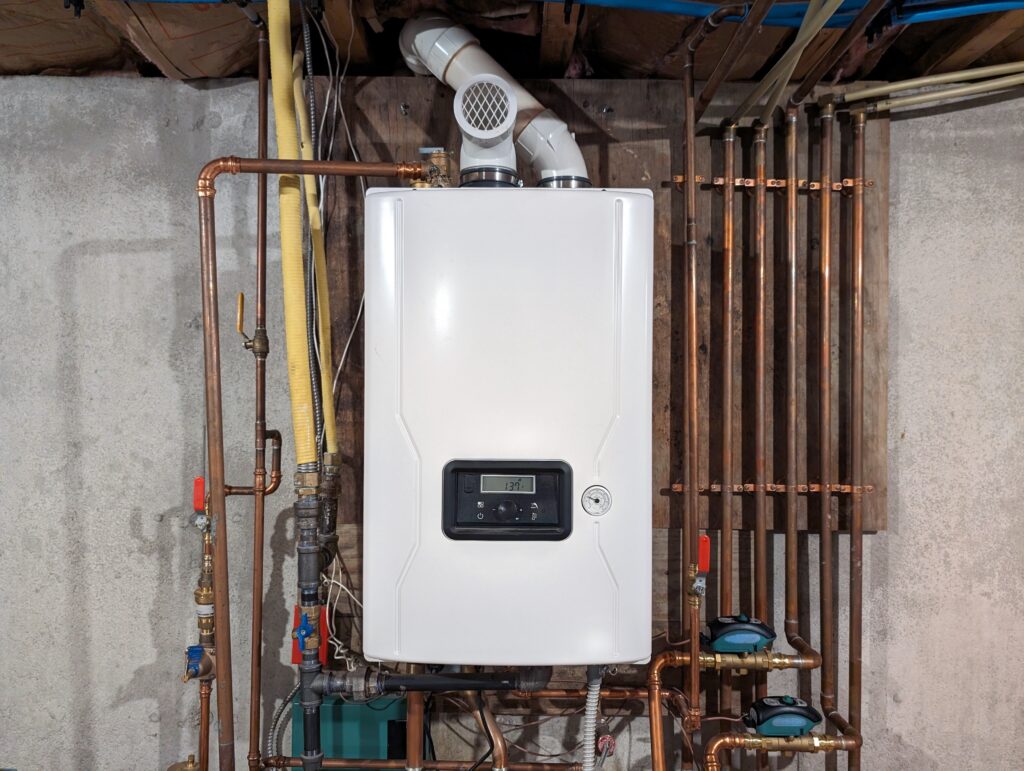
A tankless water heater heats water only when you need it. Instead of storing hot water in a tank, the system activates when a hot water fixture is used and heats water as it flows through the unit.
Both options are available in gas and electric models, and each offers advantages depending on your household’s needs.
Is It Easier to Install a Standard or Tankless Water Heater?
When comparing systems, installation requirements are an important factor.
A traditional water heater installation is typically more straightforward because most homes are already designed to accommodate a storage tank system. Replacing an existing unit with a similar model often requires fewer modifications.
A tankless water heater installation may involve additional considerations depending on the home’s existing plumbing, electrical system, or gas connections.
However, just because you have a standard water heater now doesn’t mean you can’t convert to a tankless unit. Easier doesn’t necessarily mean better.
Which Water Heater Takes Up Less Space?
Available space is another important factor when choosing between a traditional water heater and a tankless water heater.
A traditional water heater requires enough room to accommodate a storage tank, which can take up a significant amount of floor space in a utility room, basement, garage, or closet. Depending on household size, tanks typically range from 30 to 80 gallons.
A tankless water heater has a much smaller footprint because it mounts directly to a wall and does not store hot water. This compact design can free up valuable space and provide more flexibility when planning storage or utility areas within the home.
For homes with limited space, a tankless system may be an attractive option. While space savings alone may not determine which water heater is best for your home, it can be an important advantage for households looking to maximize usable square footage.
Which Type of Water Heater Is More Expensive?
Tankless water heaters cost more to install because they are more advanced equipment that requires more time and effort to manufacture and install.
If installation cost is the most important factor in choosing a water heater, a standard water heater may be the best option.
However, tankless water heaters can be less expensive to operate, making them a worthwhile long-term investment for some households.
Which Water Heater Is More Energy Efficient?
For homeowners looking to reduce energy consumption, a tankless water heater often has an advantage.
Traditional water heaters continually maintain the temperature of stored water, even when no one is using it. This process, known as standby heat loss, can increase energy usage over time.
Tankless systems eliminate standby heat loss because they heat water only when needed. This can improve overall efficiency, especially for households with moderate hot water usage.
That said, energy savings can vary depending on factors such as:
- Household size
- Daily hot water demand
- Type of fuel used
- Age and condition of the system
- Installation quality
Which Water Heater Lasts Longer?
Lifespan is another key difference between these two systems.
A traditional water heater typically provides 8 to 12 years of dependable service when properly maintained. However, the tank is more prone to wear from corrosion and sediment buildup.
A tankless water heater often lasts 15 to 20 years. They have longer service lives because they don’t rely on a storage tank that is constantly exposed to heated water.
Factors that affect water heater lifespan include:
- Water quality
- Frequency of use
- Maintenance history
- Installation quality
- System sizing
Which Water Heater Requires More Maintenance?
Both traditional and tankless water heaters require routine maintenance to operate efficiently and reach their expected lifespans, but their maintenance needs differ.
A traditional water heater typically requires periodic flushing to help remove sediment that accumulates at the bottom of the storage tank. Over time, sediment buildup can reduce efficiency, affect heating performance, and place additional strain on the system. Regular inspections can also help identify signs of corrosion, leaks, or wear before they lead to larger issues.
A tankless water heater requires maintenance to prevent mineral scale from building up inside the heat exchanger. This is especially important in areas with hard water. Routine servicing helps maintain water flow, heating efficiency, and overall system performance.
Whether you choose a traditional or tankless water heater, annual maintenance can help improve efficiency, reduce the risk of unexpected breakdowns, and extend the life of your investment.
Which Water Heater Provides Better Performance?
Performance depends largely on how your household uses hot water.
A traditional water heater stores a set amount of hot water for immediate use. This makes it a practical option for many families. However, once the tank’s hot-water supply is depleted, the system must reheat water before it becomes available again.
A tankless water heater provides hot water on demand. As long as the unit is properly sized for the home’s needs, it can deliver a continuous supply of hot water without relying on stored reserves.
When evaluating performance, consider:
- The number of people in your household
- How often are multiple fixtures used simultaneously
- Your daily hot water usage patterns
- Future household needs
Homes with higher hot water demand may benefit from a different solution than households with lower usage. Selecting the right system starts with understanding your family’s specific needs.
What Type of Home Is Each Water Heater Best For?
All factors considered, a tankless water heater may be the better choice if you:
- Want improved energy efficiency
- Prefer a longer-lasting water heating system
- Have limited utility room space
- Want a continuous supply of hot water
- Plan to stay in your home for many years
Meanwhile, a traditional water heater may be the better choice if you:
- Want a straightforward replacement for an existing tank system
- Have predictable household hot water demands
- Prefer a familiar and reliable water heating solution
- Need a system that can support periods of high simultaneous hot water use
- Are looking for a lower upfront investment
Ultimately, both systems can provide dependable hot water when properly sized and professionally installed. The right choice comes down to your household’s unique needs and priorities.
Choose Instant Services for Water Heater Installation and Replacement
Choosing between a tankless water heater and a traditional water heater comes down to your home’s unique needs, budget considerations, and long-term goals. Both systems offer advantages, and the right choice depends on how your household uses hot water each day.
At Instant Services, we provide professional water heater replacements to help homeowners find the right solution for their homes. Whether you’re considering a new traditional water heater or exploring the benefits of a tankless water heater, we’re here to help you make an informed decision.
Contact Instant Services today to schedule a water heater installation or replacement for your home in the Tri-State area.